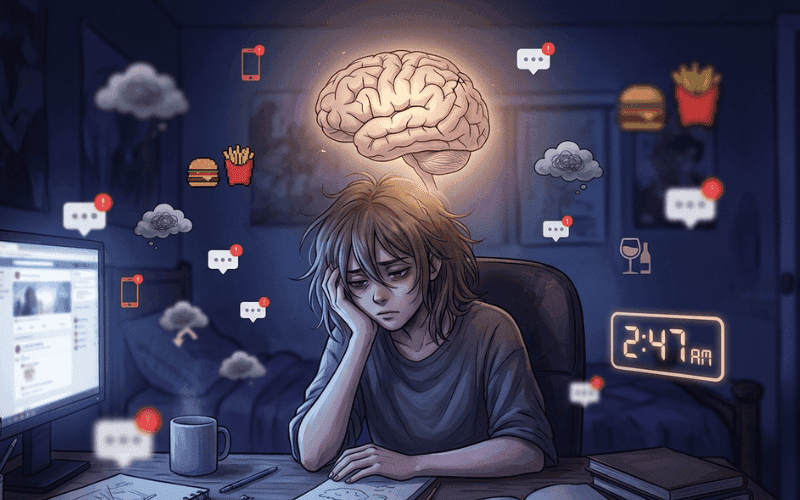
Your brain is involved in everything you do. It helps you remember important moments, make decisions, solve problems, and manage your emotions. Yet many people unknowingly follow routines that slowly weaken brain function over time.
The surprising part is that brain damage doesn't always come from major injuries or diseases. Sometimes, it develops through everyday habits that seem harmless. A few hours of lost sleep, constant stress, poor food choices, or spending too much time staring at screens can gradually affect memory, concentration, and mental performance.
The good news is that many of these habits can be changed. Once you recognize them, you can take practical steps to protect your brain health and support long-term cognitive function.
Why Brain Health Matters More Than You Think
Your brain is the command center of your body. Every thought, movement, memory, and emotion depends on billions of neurons working together efficiently.
When brain health declines, the effects can appear in many areas of life:
- Difficulty concentrating
- Poor memory retention
- Increased mental fatigue
- Reduced productivity
- Mood changes
- Slower decision-making
Protecting your brain isn't only about preventing disease later in life. It's also about improving your quality of life today.
Habit #1 – Chronic Sleep Deprivation Damages the Brain
Many people treat sleep as optional. Unfortunately, your brain doesn't see it that way.
During sleep, your brain performs essential maintenance. It strengthens memories, processes information, and clears away waste products that accumulate throughout the day.
When you consistently get less sleep than your body needs, several problems can occur:
- Reduced attention span
- Poor memory formation
- Slower reaction times
- Increased stress levels
- Difficulty learning new information
Research has repeatedly shown that adults generally perform best when they get between seven and nine hours of quality sleep each night.
How to Protect Your Brain
- Maintain a consistent sleep schedule.
- Avoid screens before bedtime.
- Keep your bedroom cool and dark.
- Limit caffeine late in the day.
Even small improvements in sleep quality can significantly improve cognitive performance.
Habit #2 – Constant Stress Overloads Your Brain
Stress is a natural response to challenges. However, when stress becomes chronic, it can take a serious toll on brain health.
Persistent stress triggers the release of cortisol, often called the stress hormone. While cortisol serves important functions in short bursts, elevated levels over long periods can negatively affect areas of the brain involved in memory and learning.
You may notice symptoms such as:
- Brain fog
- Difficulty focusing
- Forgetfulness
- Mental exhaustion
- Increased anxiety
The modern world makes it easy to remain in a constant state of alertness. Work pressures, financial concerns, and endless notifications can keep your stress response activated throughout the day.
How to Protect Your Brain
Try incorporating stress-management techniques into your routine:
- Daily exercise
- Meditation
- Deep breathing exercises
- Spending time outdoors
- Limiting unnecessary stress triggers
Even ten minutes of relaxation each day can help lower stress levels and support brain function.
Habit #3 – Eating Too Much Processed Food Hurts Brain Function
Your brain requires high-quality fuel to perform at its best.
Unfortunately, many modern diets are filled with ultra-processed foods that contain excessive sugar, unhealthy fats, and artificial ingredients. These foods may provide temporary satisfaction, but they often contribute to inflammation throughout the body, including the brain.
Over time, poor nutrition can affect:
- Memory
- Focus
- Learning ability
- Mood stability
- Energy levels
Some studies suggest that diets high in refined sugar may impair communication between brain cells.
Brain-Friendly Foods
Consider adding more of these foods to your diet:
- Fatty fish
- Blueberries
- Nuts
- Leafy greens
- Eggs
- Avocados
- Olive oil
Small dietary improvements can produce noticeable benefits for mental clarity and cognitive performance.
Habit #4 – Lack of Physical Activity Weakens the Brain
Exercise benefits far more than your muscles and heart. It also supports your brain.
Physical activity increases blood flow, delivering oxygen and nutrients that help brain cells function efficiently. Exercise also stimulates the production of chemicals that promote learning and memory.
A sedentary lifestyle has been associated with:
- Poor concentration
- Reduced memory performance
- Increased risk of cognitive decline
- Lower mental energy
You don't need intense workouts to experience benefits.
How to Protect Your Brain
Aim for at least 150 minutes of moderate physical activity each week. Good options include:
- Walking
- Cycling
- Swimming
- Dancing
- Hiking
Consistency matters more than intensity.
Habit #5 – Excessive Screen Time and Digital Overload
Technology has transformed the way you work and communicate. However, constant digital stimulation may place your brain under unnecessary strain.
Many people switch continuously between emails, social media, videos, and messages. This constant stream of information can make sustained focus more difficult.
Potential consequences include:
- Reduced attention span
- Mental fatigue
- Difficulty concentrating
- Sleep disruption
- Increased stress
The brain performs best when it can focus on one task at a time rather than constantly multitasking.
How to Protect Your Brain
- Turn off non-essential notifications.
- Schedule screen-free periods.
- Avoid devices before bedtime.
- Practice single-tasking whenever possible.
Giving your brain regular breaks from screens can improve focus and mental clarity.
Habit #6 – Social Isolation Can Damage Brain Health
Humans are naturally social beings. Meaningful connections help keep the brain active and engaged.
When social interaction becomes limited, the brain may receive less cognitive stimulation. Loneliness has been associated with increased risks of depression, anxiety, and cognitive decline.
Healthy social interactions can:
- Improve mood
- Strengthen memory
- Reduce stress
- Encourage mental stimulation
- Support emotional well-being
How to Protect Your Brain
Make an effort to stay connected:
- Call friends regularly.
- Join community groups.
- Participate in hobbies.
- Spend time with family.
- Volunteer when possible.
Even simple conversations can provide valuable mental stimulation.
Habit #7 – Smoking and Excessive Alcohol Consumption
Smoking and heavy alcohol consumption are among the most harmful habits for brain health.
Smoking reduces oxygen delivery throughout the body, including the brain. Over time, this can damage blood vessels and increase the risk of cognitive problems.
Excessive alcohol use may contribute to:
- Memory difficulties
- Impaired judgment
- Reduced concentration
- Long-term neurological damage
How to Protect Your Brain
If you smoke, seeking support to quit may be one of the best decisions for your overall health. If you drink alcohol, moderation is essential.
Reducing these habits can help preserve cognitive function for years to come.
Habit #8 – Never Challenging Your Brain
Your brain thrives on stimulation. Just as muscles weaken without exercise, cognitive abilities may decline when the brain isn't challenged regularly.
Learning new skills encourages the formation of new neural connections and supports brain plasticity.
Excellent brain-training activities include:
- Reading books
- Learning a language
- Solving puzzles
- Playing strategy games
- Taking courses
- Practicing creative hobbies
The more you challenge your mind, the more adaptable and resilient it becomes.
Warning Signs Your Brain May Be Affected
If several unhealthy habits are present in your life, your brain may begin sending warning signals.
Common signs include:
- Frequent forgetfulness
- Difficulty concentrating
- Mental fatigue
- Reduced productivity
- Increased irritability
- Trouble learning new information
While occasional symptoms are normal, persistent issues should not be ignored.
How to Improve Brain Health Starting Today
Improving brain health doesn't require dramatic changes overnight.
Start with these simple actions:
- Prioritize quality sleep.
- Exercise regularly.
- Eat nutritious foods.
- Manage stress effectively.
- Stay socially connected.
- Limit screen time.
- Avoid smoking.
- Challenge your brain daily.
Small habits repeated consistently often create the biggest long-term improvements.
FAQ About Habits That Damage Your Brain
What habits damage your brain the most?
Chronic sleep deprivation, constant stress, smoking, excessive alcohol consumption, poor diet, physical inactivity, social isolation, and excessive screen time are among the most common habits that damage your brain.
Can the brain recover from unhealthy habits?
In many cases, yes. The brain has an incredible ability to adapt and reorganize through a process known as neuroplasticity. Healthy lifestyle changes can improve cognitive function over time.
Does lack of sleep permanently damage the brain?
Occasional sleep loss is unlikely to cause permanent damage. However, chronic sleep deprivation may increase the risk of long-term cognitive problems if left unaddressed.
How can I improve my brain health naturally?
Focus on quality sleep, regular exercise, nutritious foods, stress management, social engagement, and lifelong learning.
Does excessive screen time damage the brain?
Excessive screen time may negatively affect attention span, focus, sleep quality, and mental well-being, especially when combined with constant multitasking.
What foods are good for brain health?
Fatty fish, berries, nuts, seeds, leafy greens, eggs, olive oil, and avocados are often considered beneficial for brain function.
Conclusion
Your brain influences every aspect of your life, yet many daily habits can quietly undermine its performance. By identifying and eliminating these 8 habits that damage your brain, you can improve memory, sharpen focus, and support long-term cognitive health.
Start with one small change today. Your future self—and your brain—will thank you for it.
Call to Action
Which of these brain-damaging habits do you recognize in your daily routine? Take a moment to evaluate your lifestyle and choose one habit to improve this week. Share this article with friends and family so they can protect their brain health too. Small actions today can lead to a sharper, healthier mind for years to come.