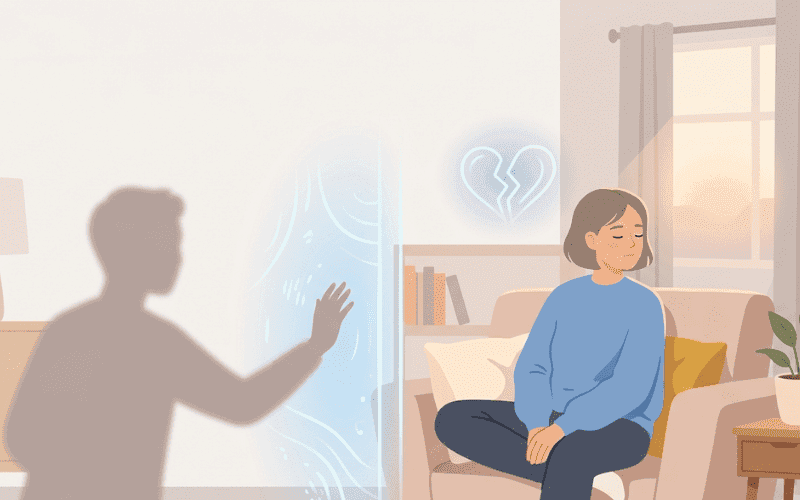
Have you ever found yourself pulling away when a relationship starts getting serious? Maybe you've met someone wonderful, yet something inside you keeps creating distance. Or perhaps friends and partners have described you as guarded, detached, or difficult to read.
If you've been wondering, "am I emotionally unavailable?", you're asking an important question that many people avoid confronting. Emotional unavailability isn't always obvious. In fact, some of the people who appear confident, independent, and successful are quietly struggling to connect on a deeper emotional level.
The truth is that emotional unavailability rarely happens without a reason. Often, it develops as a form of self-protection. Past disappointments, painful experiences, fear of rejection, or even childhood influences can teach you to build emotional walls without realizing it.
The good news is that emotional availability is not something you're born with or without. It's a skill that can be developed. Understanding your emotional patterns is the first step toward healthier relationships, stronger communication, and deeper connections.
In this guide, you'll discover the most common signs of emotional unavailability, learn why it happens, and explore practical ways to become more emotionally open.
What Does Emotionally Unavailable Mean?
Being emotionally unavailable means having difficulty creating or maintaining deep emotional connections with others. It doesn't necessarily mean you don't care about people or that you're incapable of love. Instead, it means that sharing your feelings, trusting others, or allowing emotional intimacy may feel uncomfortable, overwhelming, or even threatening.
Many people confuse emotional unavailability with being private. However, there is an important difference between the two.
A private person may choose carefully when and with whom they share personal information. An emotionally unavailable person often struggles to share emotions even when they genuinely want a close relationship.
Emotional availability allows you to communicate openly, express your feelings, support others emotionally, and accept support in return. Without it, relationships often remain stuck on the surface.
When emotional walls become too strong, they can affect romantic relationships, friendships, family dynamics, and even professional interactions.
Am I Emotionally Unavailable? 15 Signs to Watch For
Emotional unavailability exists on a spectrum. You may recognize several of these signs without being completely emotionally unavailable. The key is identifying recurring patterns that consistently interfere with meaningful relationships.
You Avoid Deep Conversations
When discussions move beyond everyday topics and begin exploring feelings, fears, or vulnerabilities, you may feel an urge to change the subject.
Conversations about emotions can seem uncomfortable because they require openness and honesty. If you consistently steer discussions away from personal topics, emotional distance often follows.
You Struggle to Express Your Emotions
Do people frequently ask what you're thinking or feeling?
You might know something is happening inside you but find it difficult to put those emotions into words. Instead of expressing sadness, disappointment, or anxiety, you may stay silent or focus on practical matters.
Over time, this can leave others feeling disconnected from you.
You Pull Away When Relationships Become Serious
One of the most common signs of emotional unavailability is withdrawing when intimacy increases.
At first, a relationship may feel exciting and comfortable. But once emotional commitment becomes real, you may suddenly feel trapped, overwhelmed, or uncertain.
This pattern often leads to repeated cycles of getting close and then creating distance.
You Fear Vulnerability
Vulnerability requires trust. It means allowing someone to see parts of yourself that aren't perfect.
If opening up feels risky, embarrassing, or unsafe, you may unconsciously avoid situations that require emotional honesty.
Many emotionally unavailable people fear vulnerability because they associate it with rejection or disappointment.
You Prioritize Independence Over Connection
Independence is healthy. However, when self-reliance becomes extreme, it can prevent meaningful relationships from developing.
You may convince yourself that you don't need anyone or that depending on others is a sign of weakness.
While independence is valuable, emotional connection requires some level of mutual support and trust.
You Keep Partners at Arm's Length
Even when you're in a committed relationship, you may maintain invisible barriers.
You might avoid discussing long-term plans, resist emotional conversations, or keep certain parts of your life completely separate from your partner.
These behaviors can create frustration and confusion for the people closest to you.
You Feel Uncomfortable Depending on Others
Asking for help may feel unnatural or uncomfortable.
You might prefer handling everything yourself, even when support is available. Deep down, you may worry that relying on someone else could lead to disappointment.
Unfortunately, relationships thrive when both people feel comfortable giving and receiving support.
You Focus on Other People's Flaws
Do you frequently notice reasons why a relationship won't work?
Sometimes emotional unavailability shows up as constant criticism or fault-finding. By focusing on imperfections, you create distance and avoid becoming emotionally invested.
No relationship is perfect, and expecting perfection can become a convenient way to avoid vulnerability.
You Have Difficulty Trusting People
Trust is the foundation of emotional intimacy.
If you assume people will eventually disappoint, betray, or abandon you, building close relationships becomes challenging.
Trust issues often develop after painful experiences, but they can continue affecting future relationships long after the original hurt has passed.
You Avoid Conflict Instead of Resolving It
Conflict is uncomfortable, but healthy relationships require honest communication.
If you withdraw, shut down, or ignore problems instead of discussing them, emotional closeness often suffers.
Avoiding conflict may provide temporary relief, but unresolved issues usually create larger problems over time.
You Rarely Share Personal Struggles
Everyone faces challenges, yet emotionally unavailable individuals often keep their struggles private.
Rather than opening up, you may tell yourself that you should handle everything alone.
While self-sufficiency has benefits, constantly carrying emotional burdens by yourself can create isolation.
You Prefer Casual Relationships
Commitment may feel restrictive or overwhelming.
You may enjoy companionship but become uncomfortable when a relationship begins moving toward deeper emotional territory.
This pattern often reflects a fear of intimacy rather than a lack of interest in relationships.
You Feel Trapped When Someone Gets Too Close
Some people crave connection while simultaneously fearing it.
As emotional closeness increases, you may experience anxiety or a strong desire for space.
This reaction can be confusing because part of you wants intimacy while another part feels threatened by it.
You Distract Yourself From Emotions
Instead of processing difficult feelings, you may stay constantly busy.
Work, social media, entertainment, exercise, or endless projects can become ways of avoiding emotional discomfort.
Distractions provide temporary relief but rarely address underlying emotions.
People Often Describe You as Distant
Sometimes the people around you notice patterns before you do.
If partners, friends, or family members consistently describe you as cold, guarded, detached, or hard to reach emotionally, it may be worth considering their perspective.
Repeated feedback often reveals patterns that are difficult to see from the inside.
Why Am I Emotionally Unavailable?
If you recognize several of these signs, it's important to understand that emotional unavailability is usually learned rather than inherited.
Most emotional barriers develop as protective responses to life experiences.
Childhood Experiences
The way you learned about emotions as a child can influence your adult relationships.
If emotional expression was discouraged, ignored, or criticized, you may have learned to suppress your feelings.
Children naturally adapt to their environment. Those adaptations often follow them into adulthood.
Past Relationship Trauma
A painful breakup, betrayal, abandonment, or repeated disappointment can leave lasting emotional scars.
After experiencing emotional pain, your mind may try to protect you by creating distance in future relationships.
Although these defenses may feel helpful, they can also prevent healthy connections from forming.
Fear of Rejection
Many emotionally unavailable people are not afraid of love itself.
They are afraid of what might happen if love disappears.
The possibility of rejection can feel so painful that staying emotionally guarded seems safer than taking the risk of vulnerability.